Vitamin D Deficiency & Health Implications
Stevie Smoot • August 17, 2023
Vitamin D is a crucial nutrient that plays a vital role in maintaining bone health, supporting the immune system, and regulating various bodily processes. A deficiency in vitamin D can lead to several health issues. Some of the common symptoms of vitamin D deficiency include:
- Bone pain and muscle weakness: Vitamin D is essential for calcium absorption, and a deficiency can lead to weak and soft bones, causing bone pain and muscle weakness.
- Fatigue and tiredness: Individuals with low vitamin D levels may experience persistent fatigue and a general sense of tiredness.
- Increased susceptibility to infections: Vitamin D is involved in supporting the immune system, and a deficiency may lead to an increased risk of infections.
- Depression and mood swings: Some studies suggest a link between vitamin D deficiency and mood disorders like depression and anxiety.
- Impaired wound healing: Vitamin D is necessary for wound healing, so a deficiency can result in slower healing of cuts and wounds.
- Hair loss: Although not fully understood, vitamin D deficiency has been associated with hair loss in some individuals.
- Bone loss and increased risk of fractures: Prolonged vitamin D deficiency can lead to osteoporosis, a condition characterized by weak and brittle bones, increasing the risk of fractures.
Treatment options for vitamin D deficiency include:
- Sun exposure: The body can produce vitamin D when the skin is exposed to sunlight. Spending some time outdoors in the sun can help increase vitamin D levels. However, the ability to produce vitamin D from sunlight depends on various factors such as skin color, geographical location, time of day, and season.
- Dietary sources: Consuming foods rich in vitamin D can help increase levels. Natural sources include fatty fish (salmon, mackerel, tuna), fortified dairy products (milk, yogurt), and fortified cereals.
- Vitamin D supplements: If sun exposure and dietary changes are not sufficient, your health care practitioner may recommend vitamin D supplements. These are available in various forms, including vitamin D2 and vitamin D3.
It's essential to consult with a healthcare professional if you suspect a vitamin D deficiency or experience any of the symptoms mentioned above. They can perform blood tests to confirm the deficiency and recommend the appropriate treatment based on your individual needs. Additionally, excessive vitamin D intake can be harmful, so it's crucial to follow your healthcare provider's guidance on supplementation.
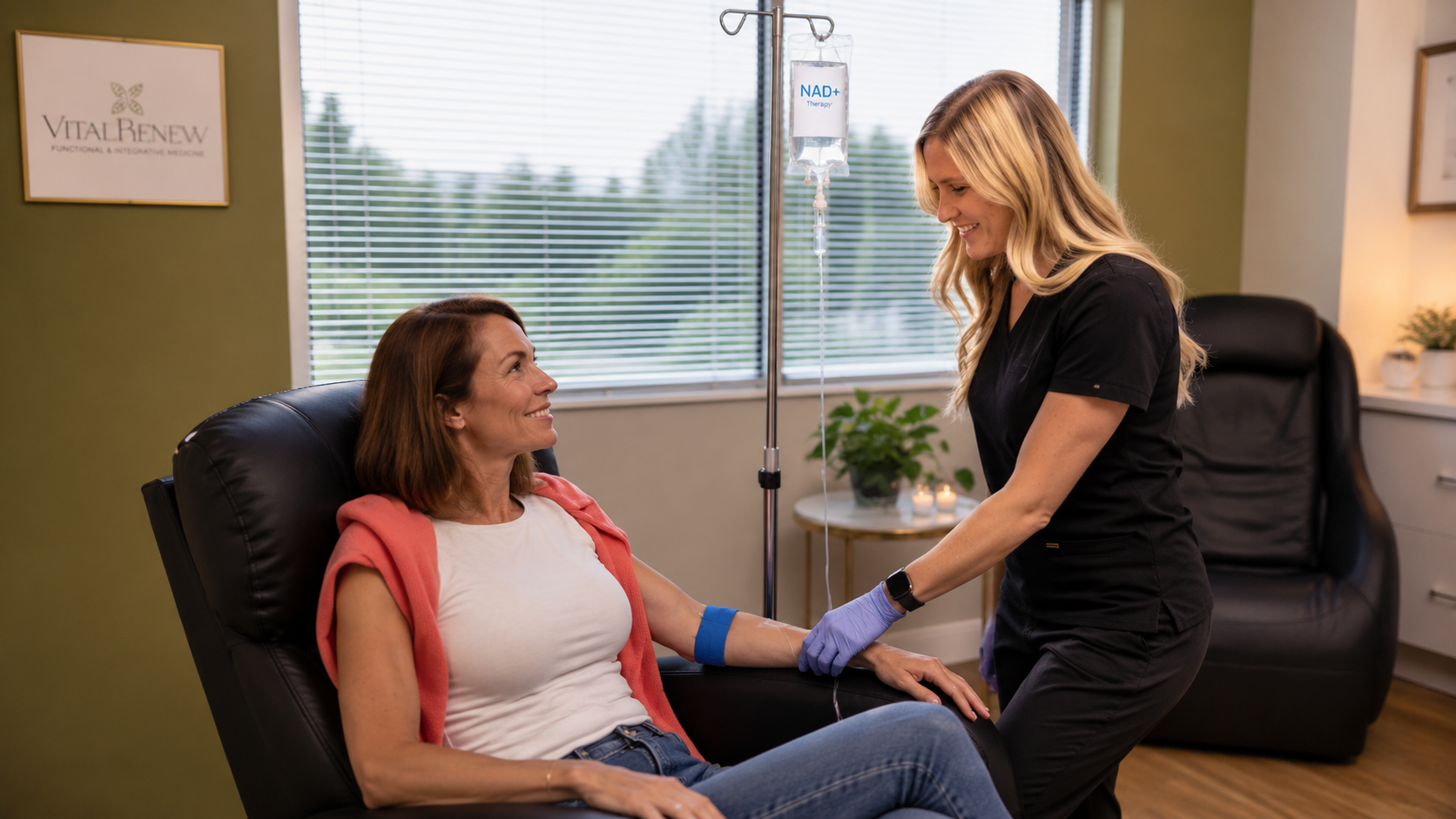
NAD IV therapy explained: what NAD+ does in the body, what current research supports, session length, side effects, cost factors, and who may benefit.
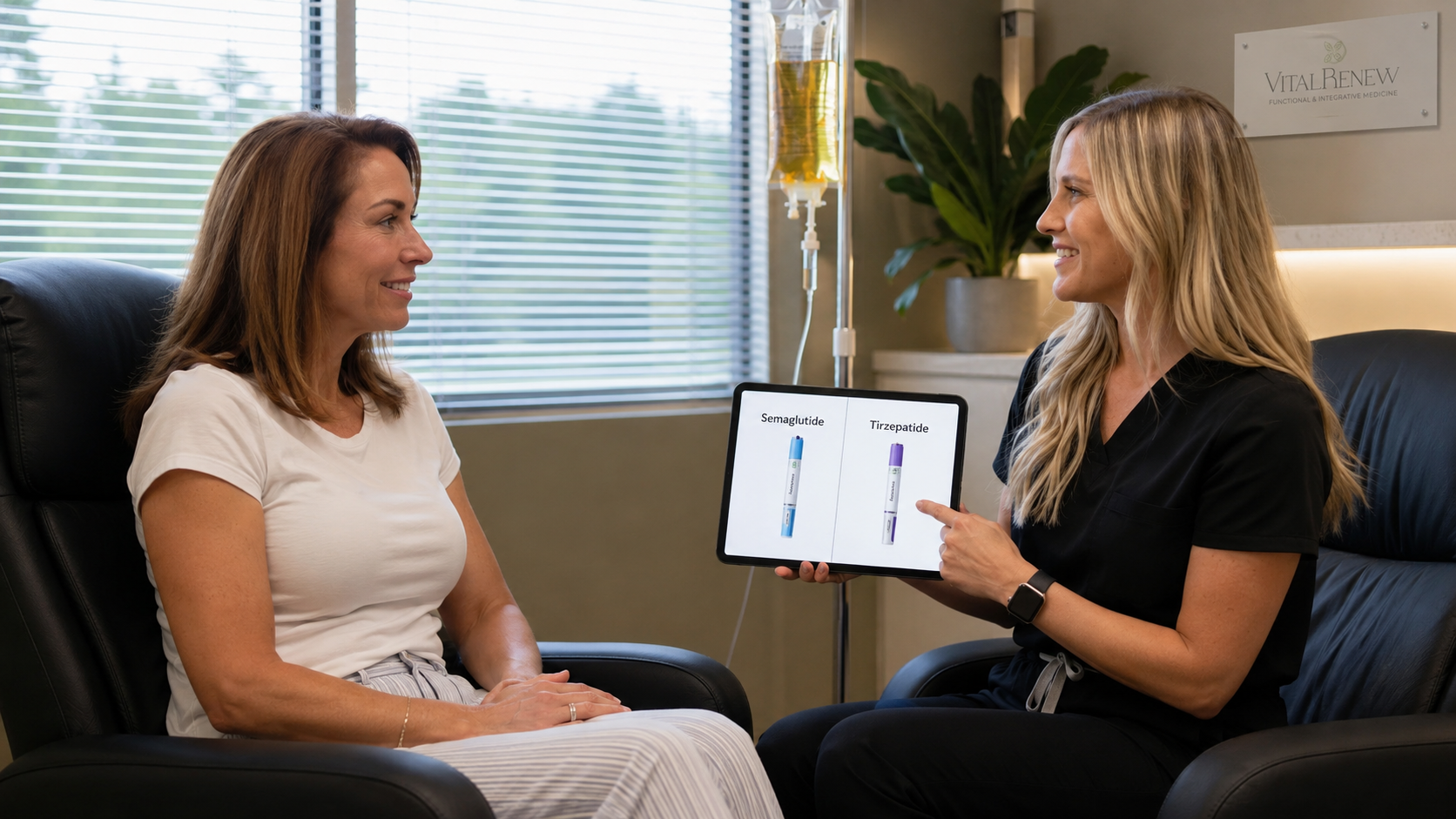
Semaglutide vs tirzepatide compared: how each drug works, head-to-head trial results, side effects, dosing, cost, and how providers choose between them.
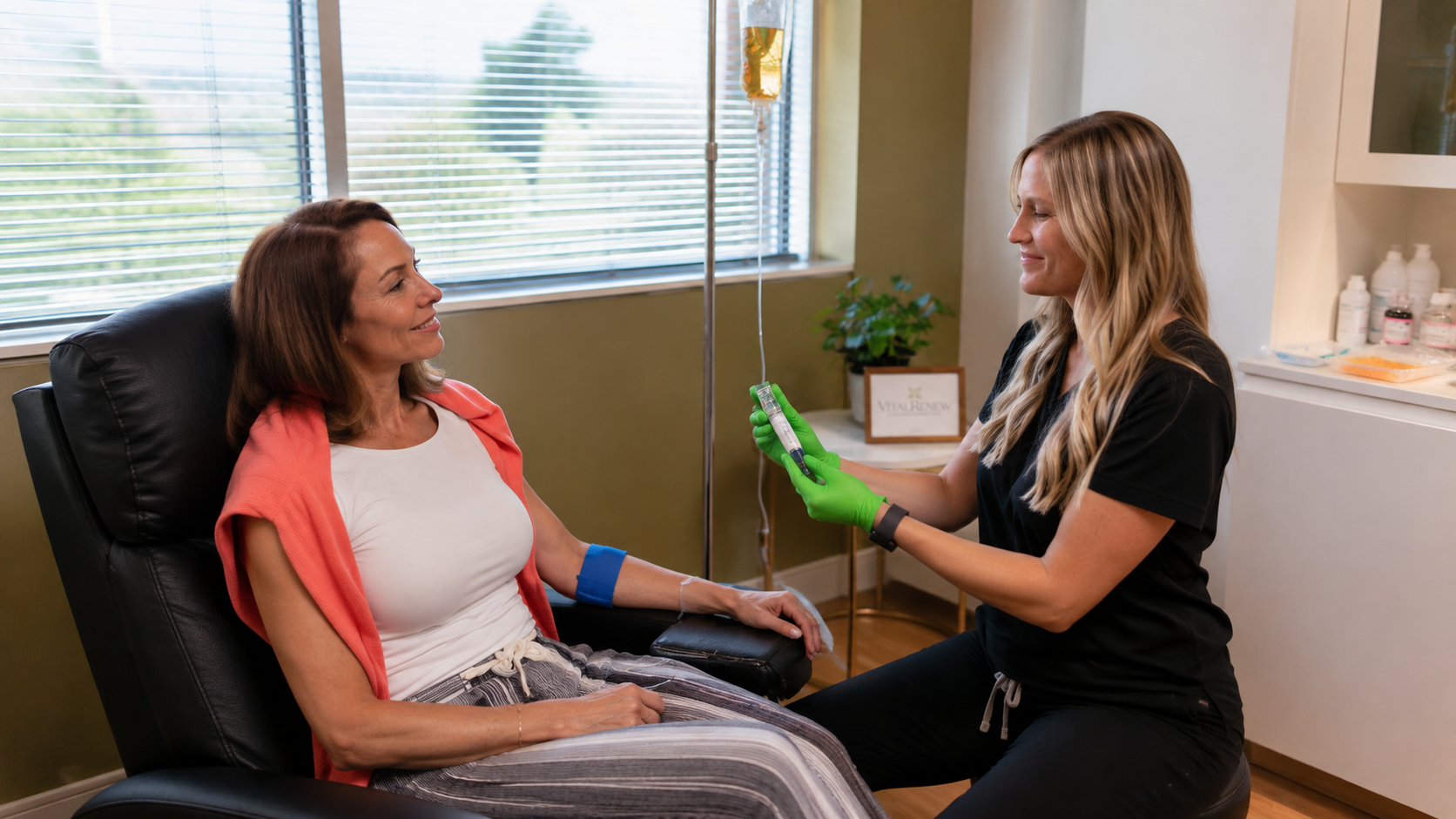
Considering compounded semaglutide in Murfreesboro, TN? Learn what current FDA rules allow, how compounded and brand GLP-1s differ, and how to choose safely.

Discover hormone pellets for women and how they compare to creams and injections. Find your ideal BHRT delivery method. Book a consult at VitalRenew, TN.

Find a trusted menopause specialist near me at VitalRenew in Murfreesboro, TN. Get expert BHRT care for perimenopause and menopause. Call (+615) 603-8957.

Find a trusted functional medicine doctor near me at VitalRenew in Murfreesboro, TN. We treat root causes for lasting health. Call (+615) 603-8957 today.

Struggling to lose weight in Murfreesboro, TN? VitalRenew offers personalized medical weight loss programs including GLP-1 injections, hormone balancing, and root-cause testing. Call (615) 603-8957.

Looking for a Lyme disease specialist near you? VitalRenew in Murfreesboro, TN offers integrative Lyme testing and supportive care rooted in functional medicine. Serving TN and national telemedicine patients.

Hormone pellets for women offer steady, consistent BHRT without daily pills or creams. Learn how pellet therapy works at VitalRenew in Murfreesboro, TN. Call (615) 603-8957.
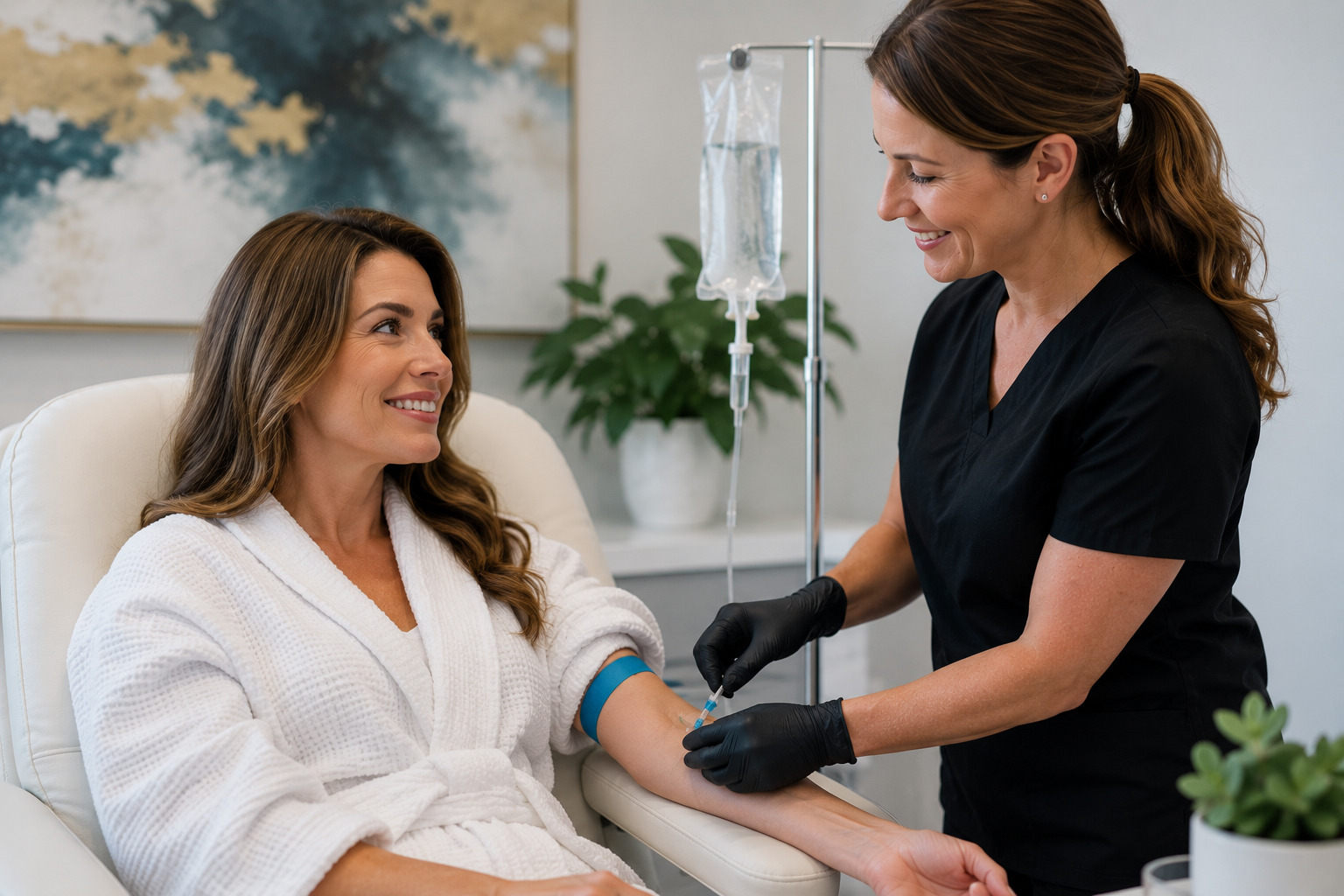
Discover peptide therapy at VitalRenew in Murfreesboro, TN. From injury recovery and gut health to anti-aging and cognitive performance — personalized peptide protocols designed for your goals.