Iron Deficiency Anemia, Symptoms and Treatment Options
Stevie Smoot • August 20, 2023
Iron-deficiency anemia is a condition where the body lacks sufficient iron to produce enough hemoglobin, a protein in red blood cells that carries oxygen throughout the body. This can lead to a variety of symptoms including the following:
- Fatigue: Feeling unusually tired or weak, even with adequate rest.
- Pale skin: A noticeable paleness in the skin, particularly in the face, nails, and lining of the eyes.
- Shortness of breath: Difficulty breathing or increased breathlessness, especially during physical activity.
- Dizziness or lightheadedness: Feeling faint or dizzy, particularly when standing up quickly.
- Headaches: Frequent or persistent headaches, sometimes accompanied by dizziness.
- Cold hands and feet: Reduced circulation can lead to extremities feeling cold.
- Brittle nails: Nails that may become concave or spoon-shaped and are more prone to breaking.
- Swelling or soreness of the tongue: Tongue inflammation or swelling (glossitis) may occur.
- Pica: Craving and chewing on non-food items such as ice, dirt, or paper.
Treatment options for iron-deficiency anemia generally focus on increasing iron levels in the body. Some common treatment approaches include:
- Iron supplements: Iron supplements in the form of tablets, capsules, or liquids are often prescribed to increase iron levels.
- Dietary changes: Consuming iron-rich foods can help improve iron levels. Good sources of iron include red meat, poultry, fish, beans, lentils, tofu, spinach, fortified cereals, and dried fruits.
- Vitamin C intake: Vitamin C can enhance iron absorption, so consuming foods rich in vitamin C alongside iron-rich foods or supplements may be beneficial.
- Blood transfusion: In severe cases where iron levels are dangerously low or when there is significant blood loss, a blood transfusion may be necessary.
- Treating the underlying cause: Addressing any underlying conditions that lead to blood loss or hinder iron absorption, such as gastrointestinal disorders or heavy menstrual bleeding, can be crucial in managing iron-deficiency anemia.
- IV Iron infusions -Intravenous (IV) iron infusion is a medical procedure used to treat severe cases of iron deficiency anemia when oral iron supplementation is ineffective or not feasible. This method delivers iron directly into the bloodstream, bypassing the digestive system and allowing for faster and more efficient absorption.
It's important to note that self-diagnosis and self-treatment are not recommended. Always seek advice from a healthcare professional to determine the appropriate treatment plan based on your specific condition and medical history.

Find out how long do hormone pellets last for women and men, what affects absorption, and when to plan your next insertion visit at VitalRenew.

Learn how testosterone pellets for men work, see the benefits, and find answers to common questions. Book a consultation with VitalRenew today.

Curious about BHRT? Discover what bioidentical hormone therapy treats and how VitalRenew helps you feel balanced. Call today to book your visit.
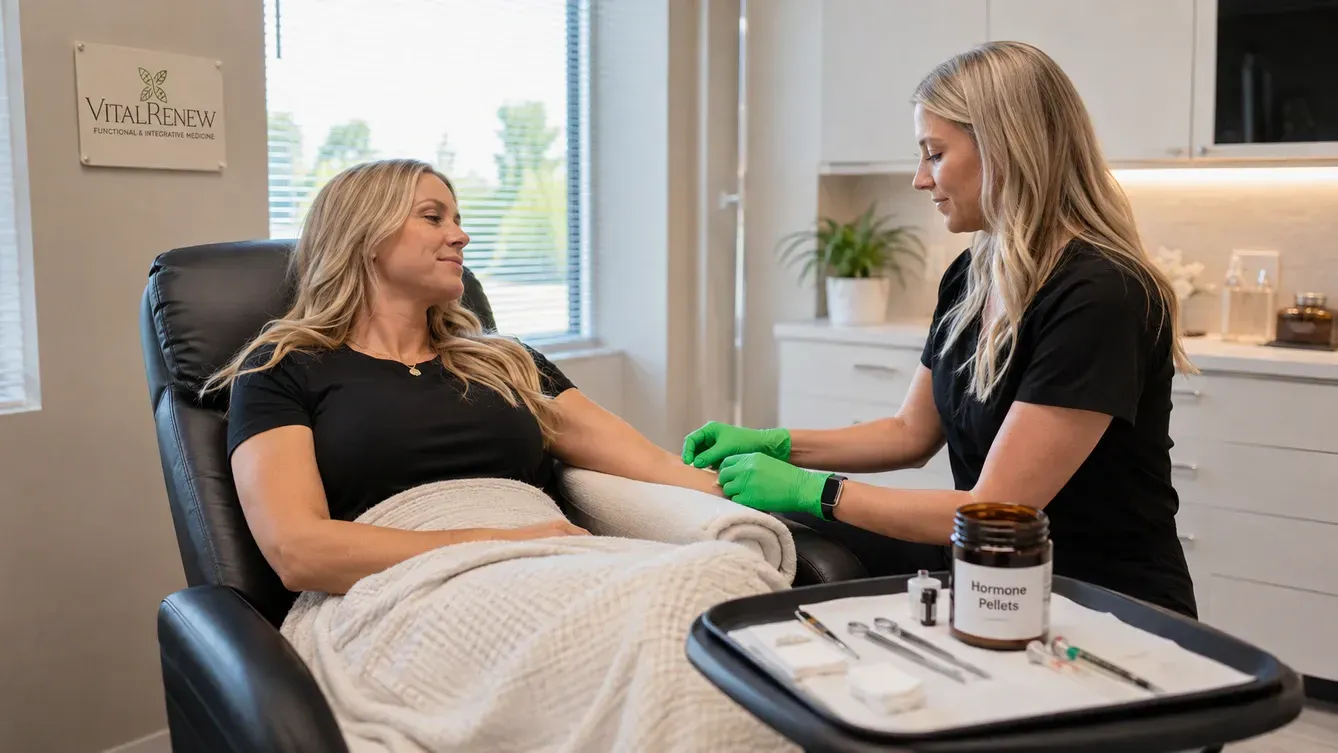
Considering hormone pellet therapy? Learn how bioidentical pellets work, what to expect during insertion, and who tends to benefit most.
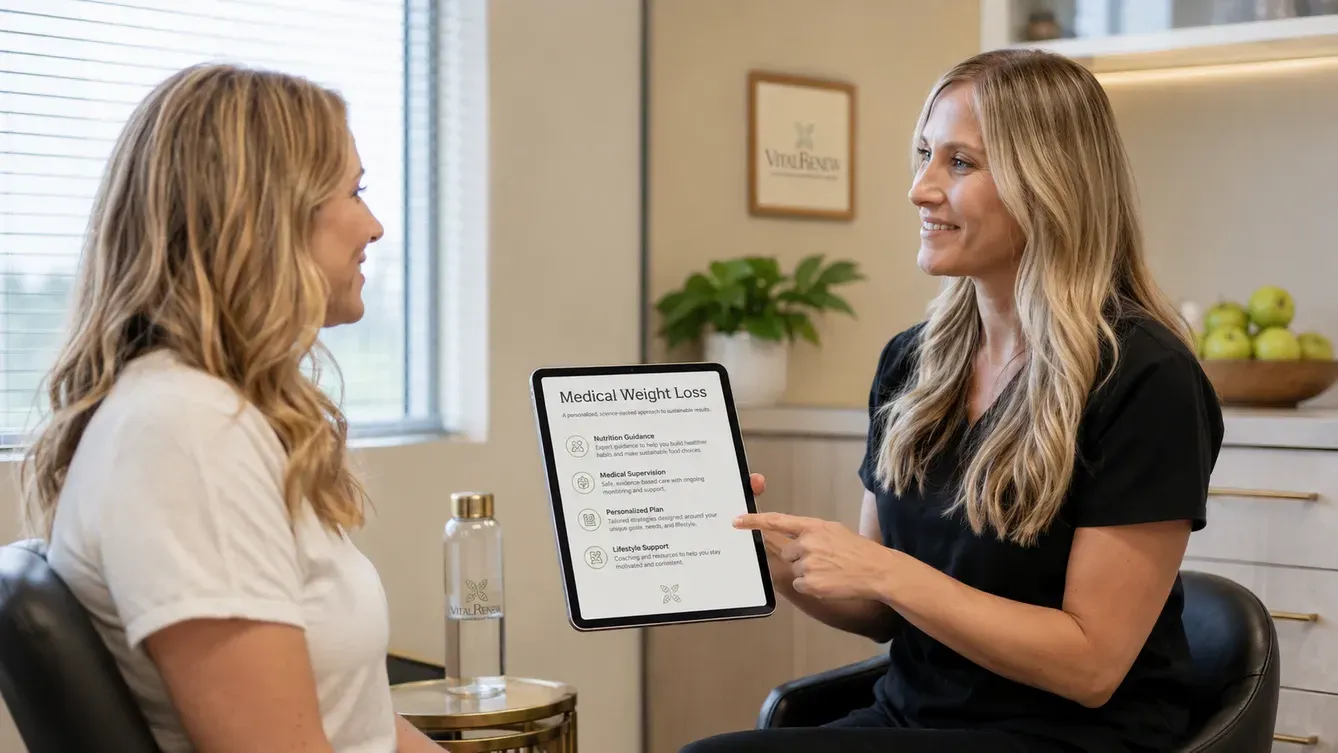
Wondering what medical weight loss actually involves? Learn how it works, who it's for, and what a personalized program at VitalRenew includes.
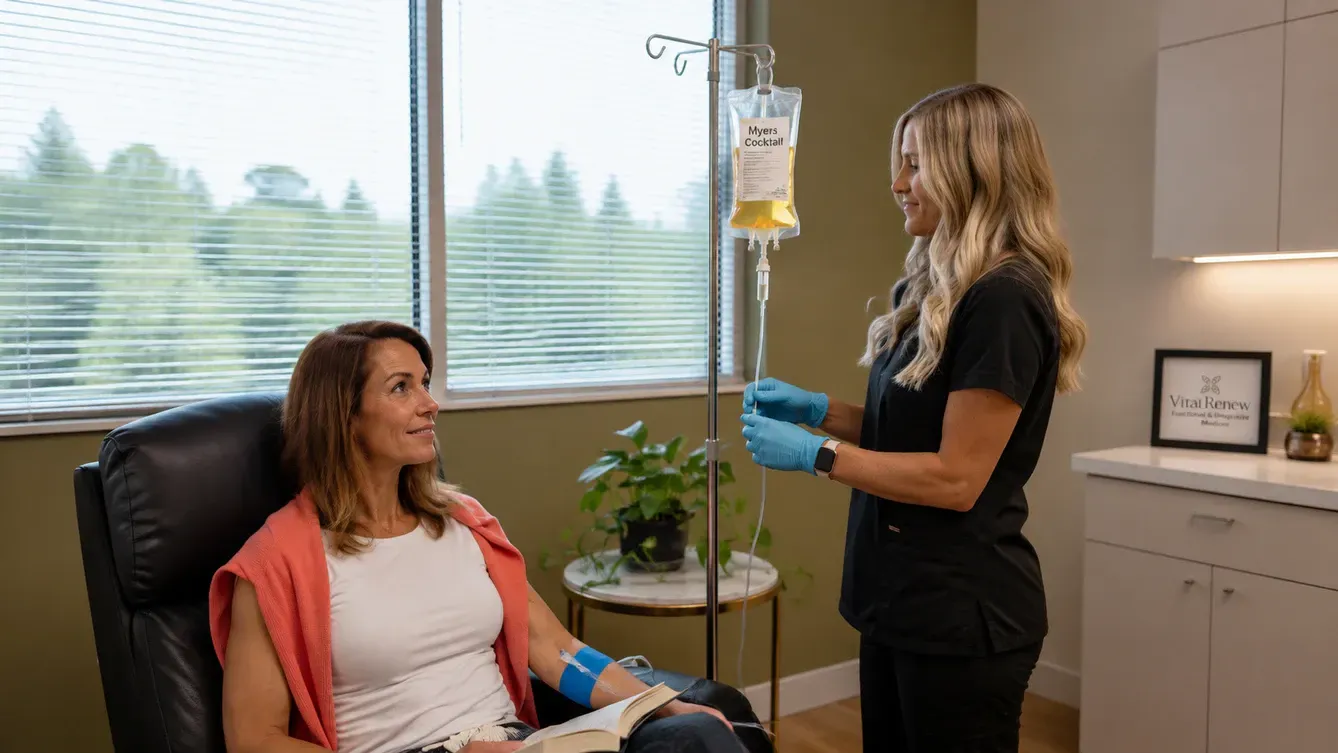
Searching for a Myers cocktail IV near me? Learn what's in this classic vitamin drip, who it helps, and what to expect at VitalRenew in Murfreesboro, TN.
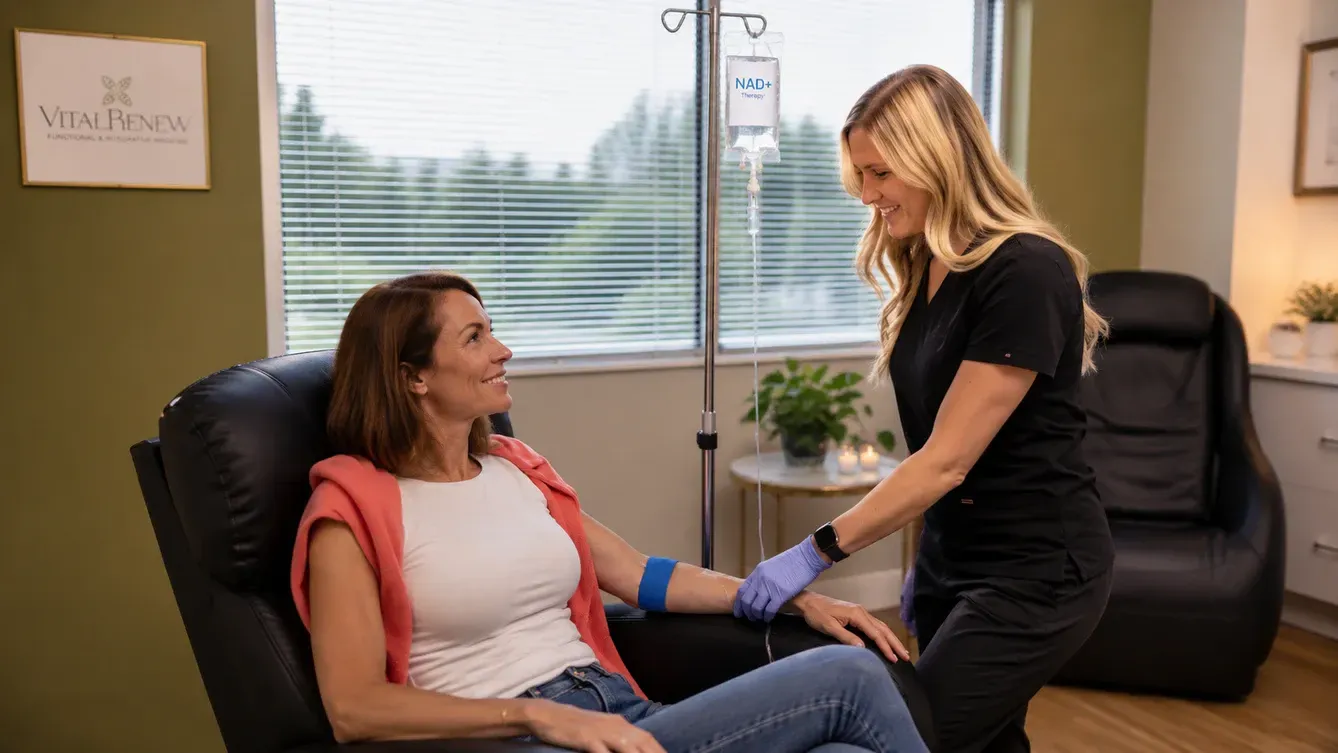
NAD IV therapy explained: what NAD+ does in the body, what current research supports, session length, side effects, cost factors, and who may benefit.
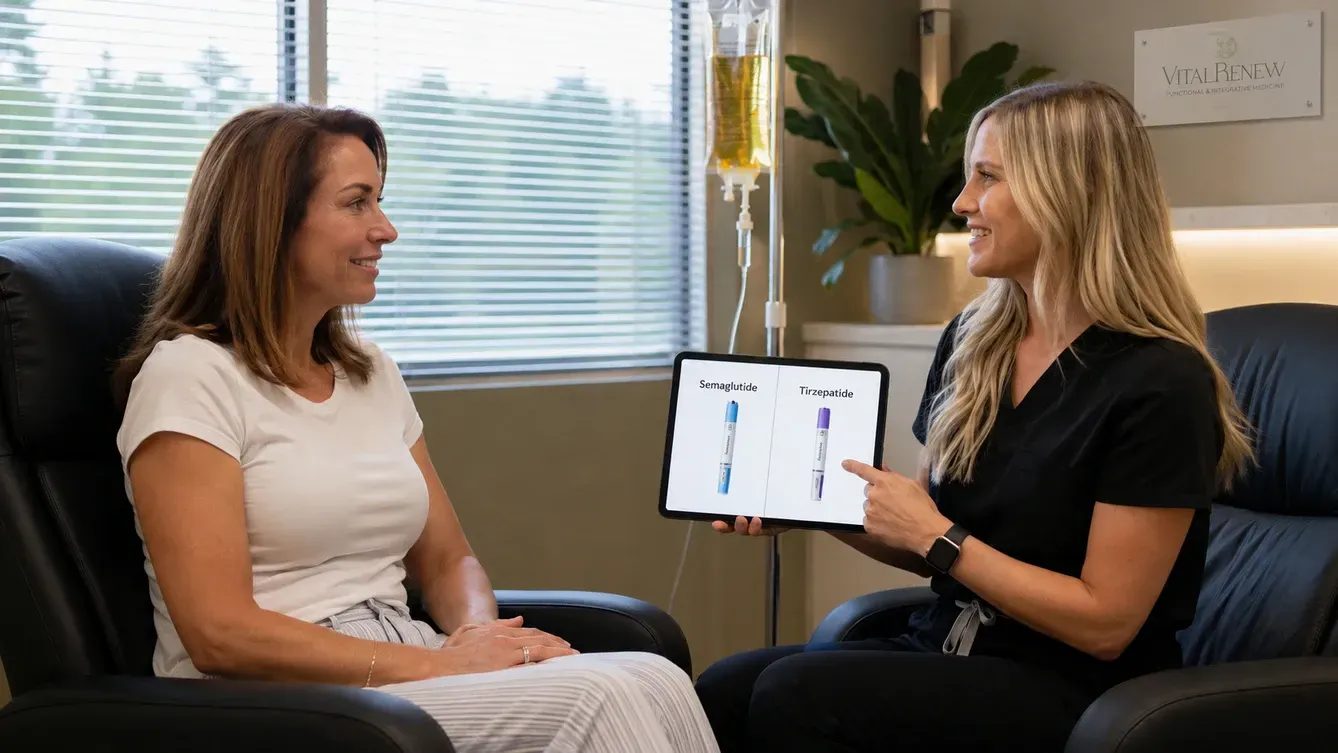
Semaglutide vs tirzepatide compared: how each drug works, head-to-head trial results, side effects, dosing, cost, and how providers choose between them.
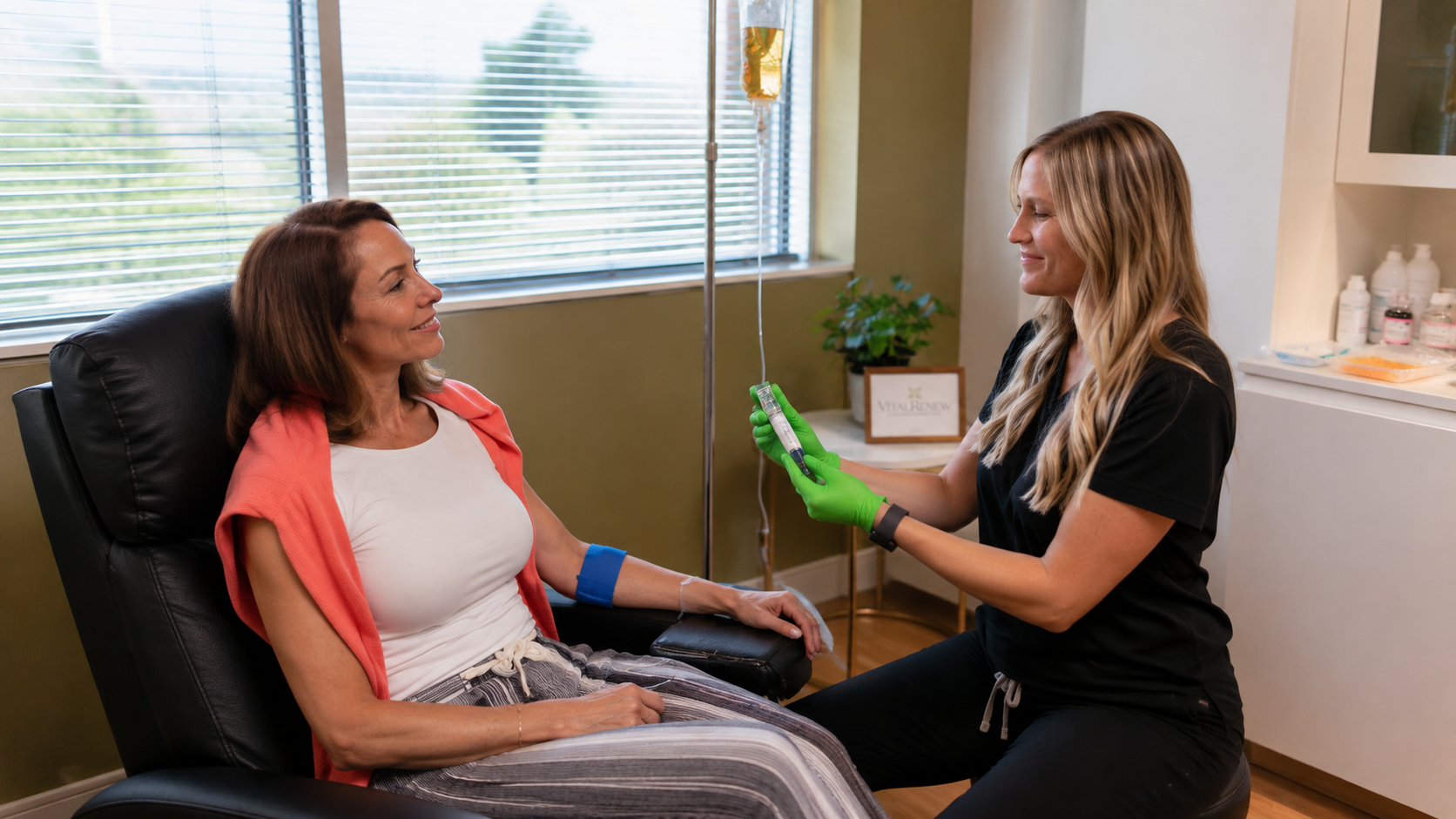
Considering compounded semaglutide in Murfreesboro, TN? Learn what current FDA rules allow, how compounded and brand GLP-1s differ, and how to choose safely.

Discover hormone pellets for women and how they compare to creams and injections. Find your ideal BHRT delivery method. Book a consult at VitalRenew, TN.